
How to Meet Building Codes and Keep Your New Patio Safe
Safety and compliance tips for patio installations start with three basics: follow local building codes, prepare a stable base, and use proper materials. If you skip permits or rush the groundwork, your patio can crack, shift, or even cause injuries. A safe build protects your home, your guests, and your investment. Whether you are planning a small backyard space or a large outdoor living area, doing it the right way matters.
What You Need Before Starting
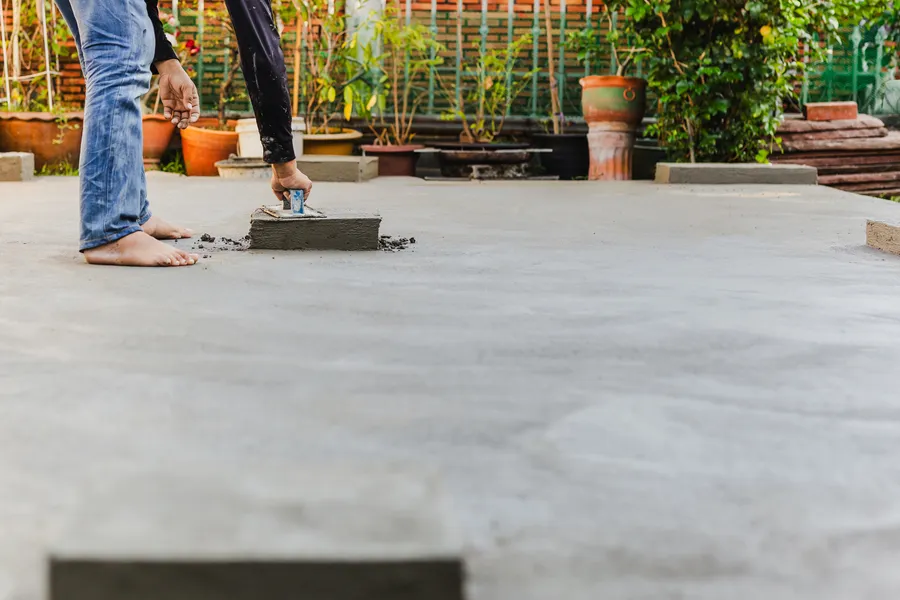
Before any concrete patio installation begins, gather the right tools and information. Check local codes in your area. Some towns require permits for patios above a certain size or height. If your patio connects to your home, rules may be stricter.
You should also:
- Call 811 to mark underground utility lines
- Measure slope to allow for proper drainage
- Check property lines to avoid neighbor disputes
- Confirm soil conditions and load capacity
- Choose materials rated for outdoor use
If you skip these steps, you risk fines, damage, or costly repairs later.
Step-by-Step Process for Safe Installation
A clear process helps reduce mistakes. Here is a simple outline most professionals follow:
- Plan layout and confirm measurements.
- Excavate soil to the proper depth.
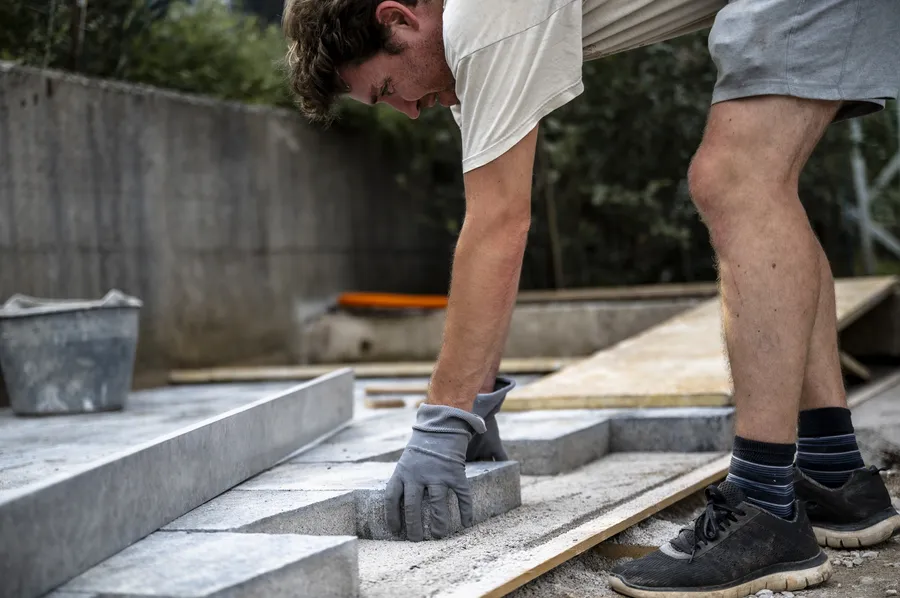
- Install a compacted gravel base.
- Set forms to hold the concrete in place.
- Add reinforcement like rebar or wire mesh.
- Pour and level the concrete.
- Create control joints to limit cracking.
- Allow proper curing time before use.
Each step supports safety and code compliance. For example, control joints help prevent random cracks that can create trip hazards. A compacted base reduces sinking and uneven surfaces.
Common Mistakes to Avoid
Many patio problems start with small errors. Poor planning during concrete patio installation often leads to safety issues later.
Watch out for these mistakes:
- Skipping permits or inspections
- Pouring concrete too thin
- Ignoring drainage slope
- Not allowing enough curing time
- Using indoor-rated materials outdoors
A patio should slope away from your home. Without slope, water can pool near your foundation. Over time, that can lead to water damage inside the house. Thin slabs may crack under heavy furniture or foot traffic. These issues are avoidable with proper planning.
When to Call a Professional
Some patios are simple. Others require expert handling. Large spaces, raised patios, or designs with built-in features often fall under the category of . Electrical work, gas lines, or structural supports must meet strict safety standards.
If you are unsure about local code rules, grading, or reinforcement details, a licensed crew is a smart choice. Professionals know how to handle inspections and paperwork. They also understand soil movement, weather impact, and long-term durability.
Hiring help may cost more upfront, but it can prevent expensive fixes later. A failed concrete patio installation can mean tearing out the entire slab and starting over.
Final Recommendation and Local Help
Patio projects in Napa, CA must follow local building codes and safety standards to avoid fines and structural issues. At Luis Diaz Concrete, we handle concrete patio installation with proper permits, solid base prep, and careful finishing so your outdoor space is safe and built to last. We take time to answer questions and guide you through each step. Call us at (707) 238-2519 to schedule a consultation and let us help you build a patio you can enjoy with confidence.