
How Thick Your Patio Slab Should Be for Strength and Long-Term Use
For most homes, the proper slab thickness for patio projects is 4 inches. That depth works well for everyday use like outdoor furniture, grills, and foot traffic. If the patio will hold heavy items, like a hot tub or outdoor kitchen, 5 to 6 inches may be better. The right thickness helps prevent cracks, sinking, and costly repairs later.
What You Should Know Before You Start
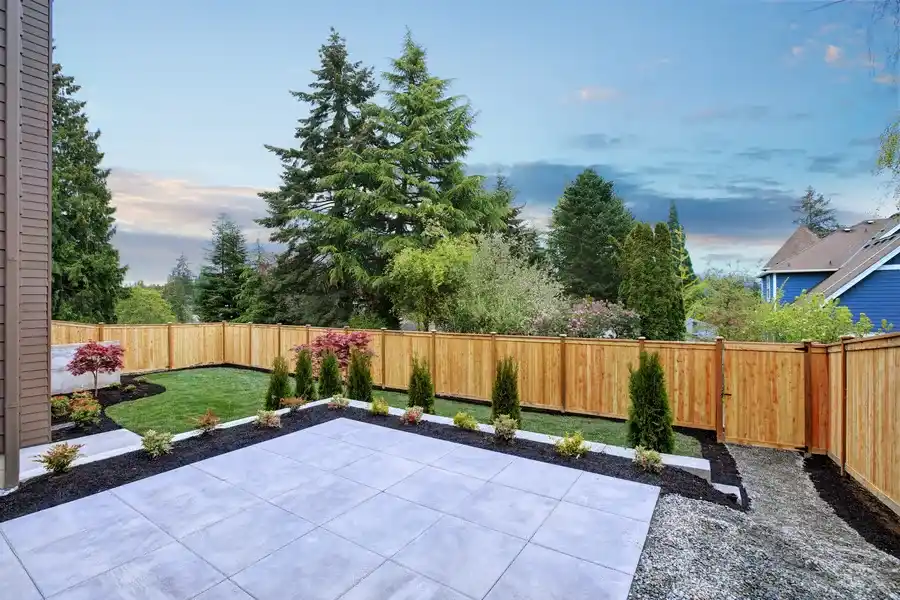
Before starting concrete patio installation, you need to think about more than just the slab depth. Soil type matters. Soft or loose soil may need extra base material. Drainage is also key. Water should flow away from your home and not sit under the slab.
You should also plan for control joints. These are small cuts placed in the slab to help control cracking. Without them, the concrete can crack in random spots.
- Check local building codes
- Measure the patio area carefully
- Plan for a 4-inch gravel base under the slab
- Decide if reinforcement like rebar or wire mesh is needed
Step-by-Step Guide to Slab Thickness and Setup
Here is a simple breakdown of how proper slab thickness for patio projects is handled during installation.
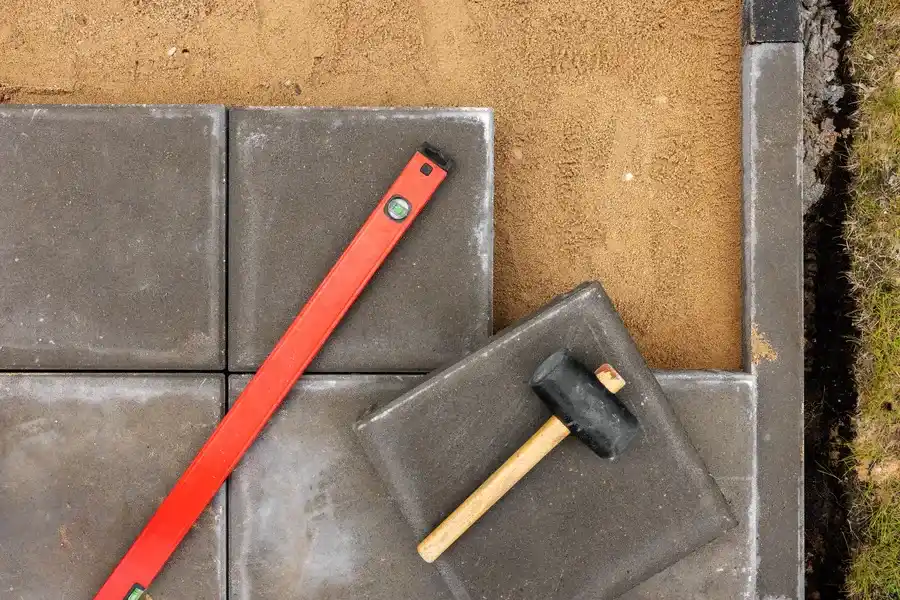
- Excavate the area about 8 inches deep.
- Add and compact 4 inches of gravel base.
- Set up forms to hold the concrete in place.
- Install reinforcement if needed.
- Pour 4 inches of concrete evenly across the space.
- Screed and level the surface.
- Cut control joints within 24 hours.
This method works well for most residential concrete patio installation jobs. The gravel base supports the slab and helps with drainage. The 4-inch concrete layer provides strength for daily use.
Common Mistakes That Lead to Cracks
One common mistake is pouring concrete that is too thin. A 3-inch slab may save money upfront, but it often cracks under weight. Another mistake is skipping the gravel base. Without it, the slab can shift as soil moves.
Poor compaction is also a problem. If the soil or gravel is not packed down tightly, the slab may sink in spots. This creates uneven surfaces and trip hazards.
Adding too much water to the mix is another issue. Wet concrete is easier to pour, but it weakens the finished slab. That can shorten the life of your patio.
When Thicker Concrete Makes Sense
Not every patio needs the same depth. A standard seating area does fine at 4 inches. But some setups need more strength.
- Hot tubs or swim spas
- Outdoor fireplaces or brick ovens
- Heavy outdoor kitchens
- Large shade structures with posts
In these cases, 5 to 6 inches of concrete may be used. Steel rebar is often added for extra support. The added thickness helps spread the weight and prevent stress cracks.
Why Base Preparation Matters Just as Much
Even the proper slab thickness for patio projects will fail if the base is weak. Good preparation keeps the patio stable for years. The gravel layer should be compacted in thin lifts. This means packing it down a few inches at a time.
Proper grading is also part of the process. The patio should slope slightly away from the house. A common rule is a 1/4-inch drop for every foot of length. This keeps water from pooling near your foundation.
Many issues blamed on concrete patio installation are really base problems. Taking time during prep helps avoid major repairs later.
When to Call a Professional
Small patios may look simple, but getting the thickness and base right takes skill. Large patios, sloped yards, or heavy load designs should be handled by trained crews. If you are unsure about soil conditions or reinforcement needs, it is smart to get help.
A professional can measure load requirements and adjust slab thickness as needed. They can also handle permits and inspections if required in your area.
Get Expert Help for a Patio That Lasts
If you are planning a new patio in Napa, CA, the team at Luis Diaz Concrete can help you choose the right slab depth and build it the right way from the ground up. We handle every part of concrete patio installation, from excavation to final finish, so your outdoor space stays strong for years. Call us at (707) 238-2519 to talk about your project and schedule an on-site estimate with our crew.